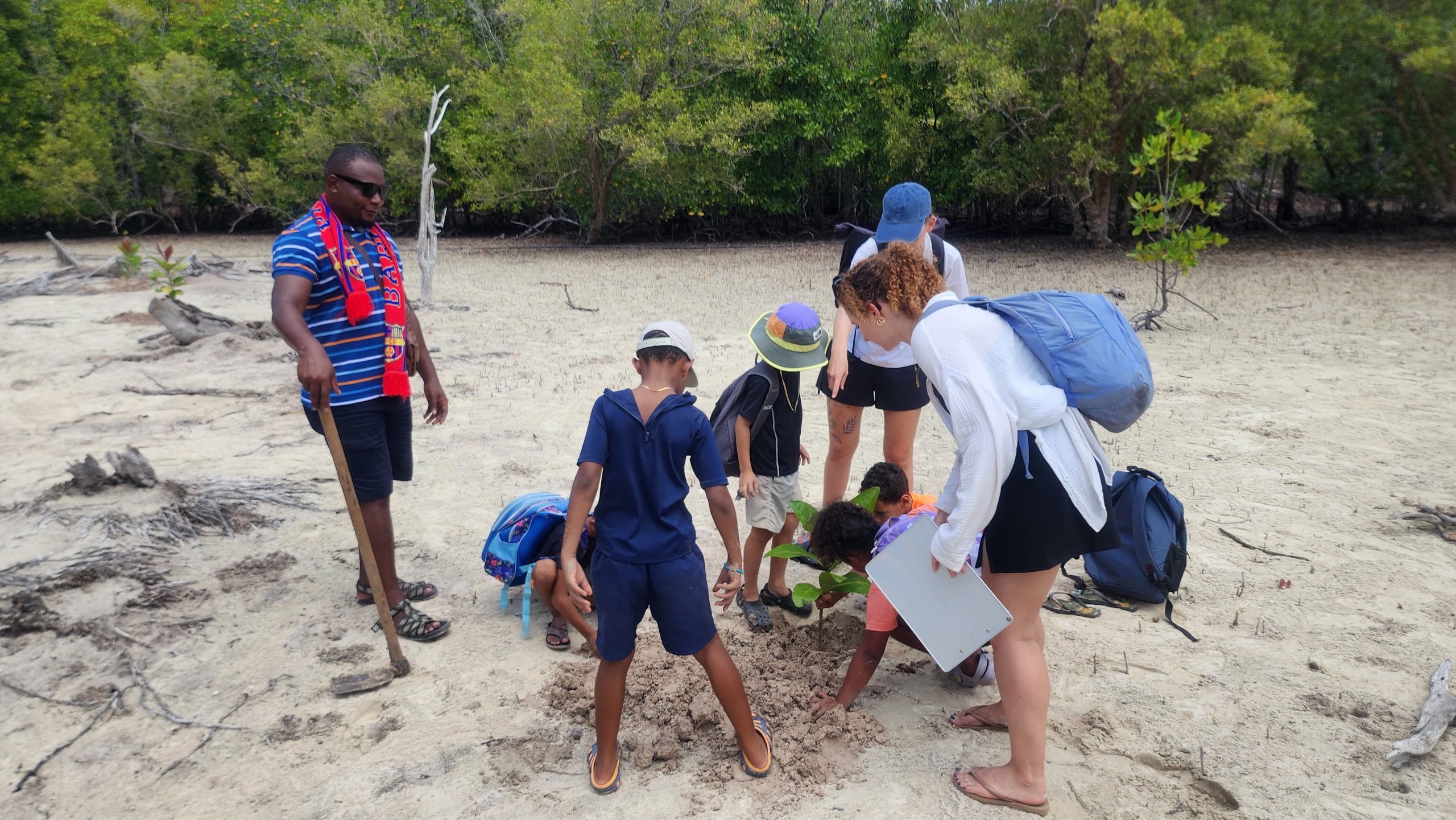
Every year on 26th July, the world marks the International Day for the Conservation of the Mangrove Ecosystem, recognising the critical role mangroves play in protecting our planet. This international observance is dedicated to raising awareness of these unique coastal forests and their importance to biodiversity, climate resilience and sustainable development.
For Seychelles, mangroves are among the country's most valuable natural assets. Approximately 87% of the nation's mangrove habitats are protected under various legal frameworks. In addition, two of Seychelles' three Ramsar Sites of International Importance—Port Launay wetland and Aldabra Atoll—are mangrove habitats that support a rich diversity of wildlife.
Recent local research has further highlighted the importance of mangroves in tackling climate change, making them one of the country's most effective natural carbon sinks and an essential component of national climate mitigation efforts.
Local Action to Protect Mangroves
Seychelles continues to strengthen it’s efforts to conserve and restore mangrove ecosystems. Through its Nationally Determined Contribution (NDC) under the Paris Agreement, Seychelles has committed to protecting all of its mangrove habitats by 2030.
This conservation efforts extend beyond protection. Several mangrove species have been propagated and replanted on islands where their populations had declined. Protecting wetlands has also become a shared responsibility. Several local businesses such as Air Seychelles and ABSA bank, has adopted wetland areas as part of corporate environmental initiatives. Organisations such as Nature Seychelles continue to provide valuable technical support, for example through the LEAP, whereby they have helped develop digital wetland inventories that improve scientific knowledge and support better management of these important ecosystems.
Regional Leadership for mangrove
Seychelles is also playing an active role in regional mangrove conservation.
As a member of the Southern African Ramsar Regional Initiative (SARRI), launched during the 15th Conference of the Parties (COP15) held in Zimbabwe in 2025, Seychelles is working alongside neighbouring countries to strengthen wetland conservation and share best practices.
The country is also an active member of the Western Indian Ocean Mangrove Network under the Nairobi Convention, benefiting from regional knowledge exchange, technical cooperation and capacity-building initiatives that support the sustainable management of mangrove ecosystems.
Why Mangroves Matter
Mangroves provide far more than beautiful coastal landscapes. They act as natural barriers against coastal erosion, storm surges and rising sea levels, protecting communities and vital infrastructure. Their intricate root systems trap sediment and pollutants before they reach the ocean, helping to maintain healthy coral reefs and marine ecosystems. Mangroves also provide breeding grounds and nursery habitats for marine species that support local fisheries and livelihoods.
Perhaps more importantly, mangroves are among the world's most efficient natural carbon stores. By capturing and storing significant amounts of carbon, they play a vital role in reducing greenhouse gas emissions and strengthening climate resilience.
Protecting Our Future
The International Day for the Conservation of the Mangrove Ecosystem is an opportunity to recognise the importance of these remarkable forests and to reaffirm our commitment to protecting them.
Through strong environmental policies, scientific research, habitat restoration and regional cooperation, Seychelles continues to demonstrate that conserving mangroves is not only an environmental responsibility but also an investment in the country's future.
Healthy mangroves mean healthier coastlines, stronger communities, richer biodiversity and greater resilience to climate change. Protecting them today will ensure that future generations continue to benefit from the many services these extraordinary ecosystems provide.
Contributed by the MECENR